
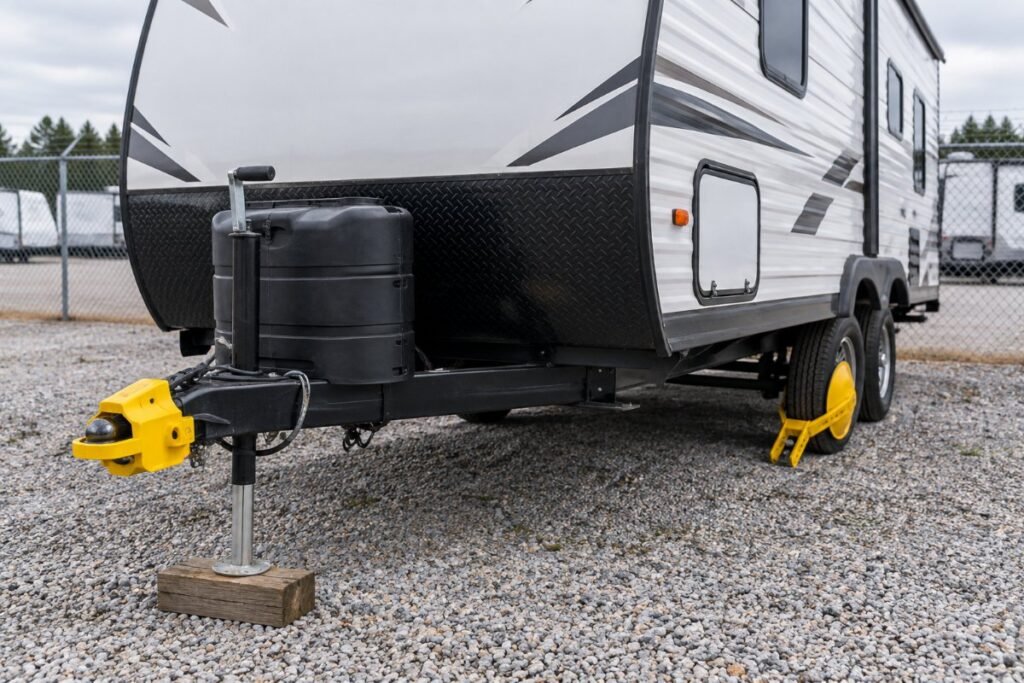
RV Security and Monitoring
Protect your trailer while you are away
Practical ways to deter theft and keep an eye on your RV so you catch problems early, from locks and trackers to cameras, temperature sensors and more.
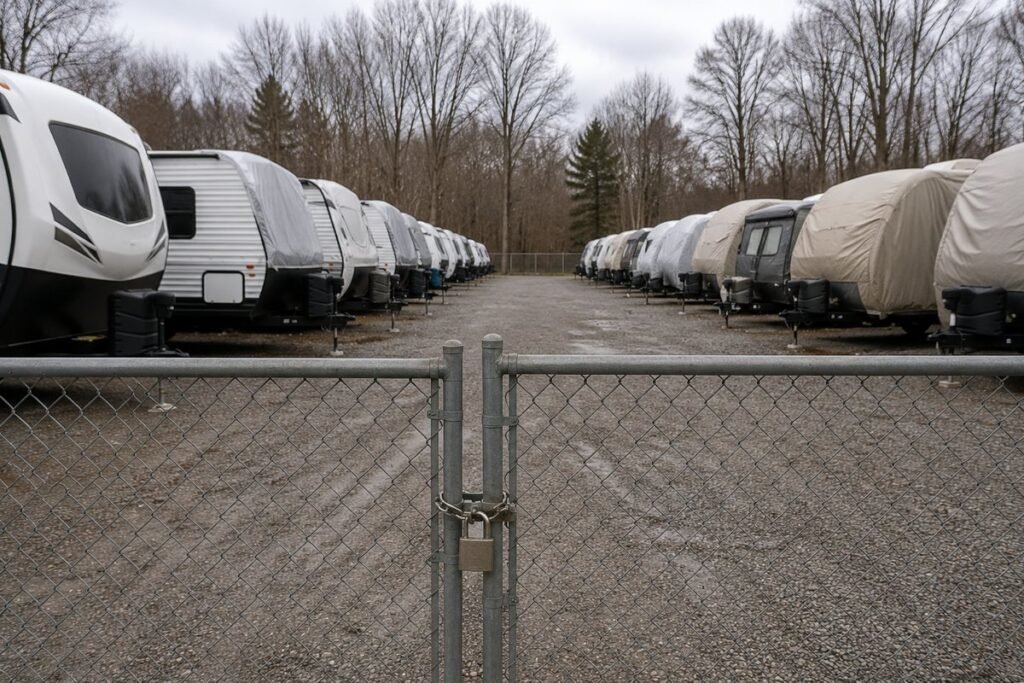
RV Storage and Security: The Complete Guide
A step-by-step guide to keeping your trailer safe in storage, including locks, covers, monitoring and upkeep.
Read the Complete GuideLocks and Theft Prevention
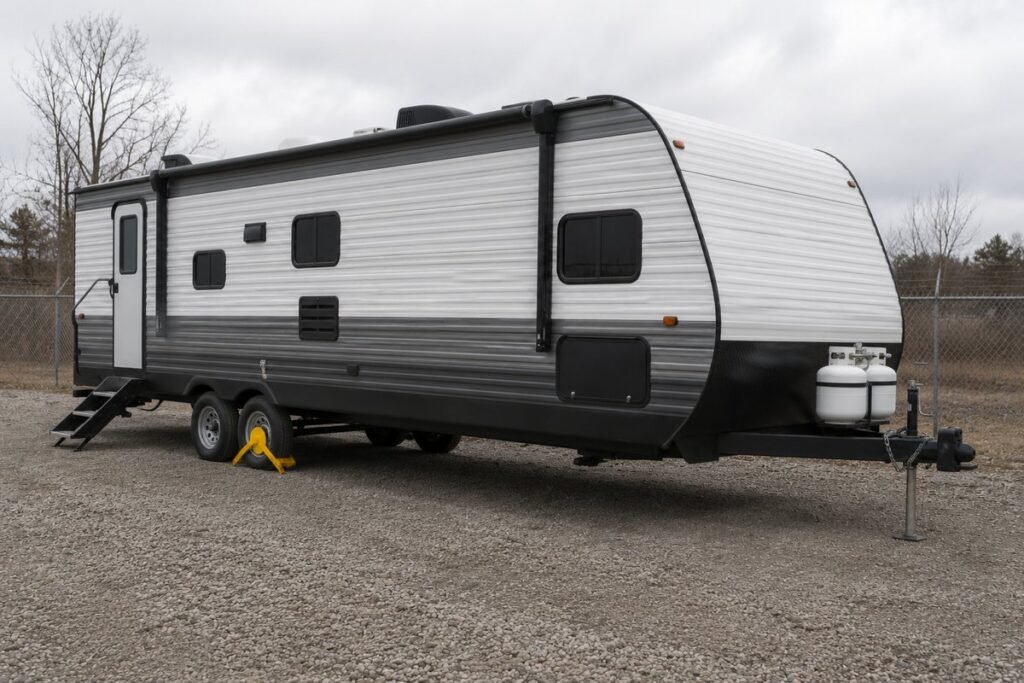
Wheel and Coupler Locks
Keep your trailer from being towed away.
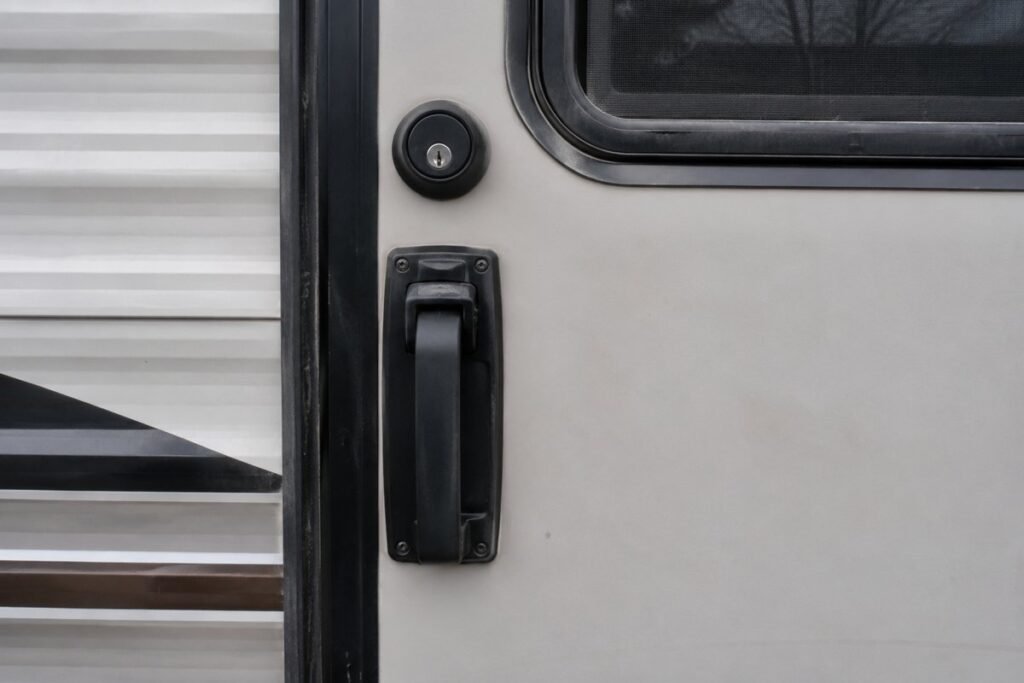
Door Locks
Upgrade your entry door security.
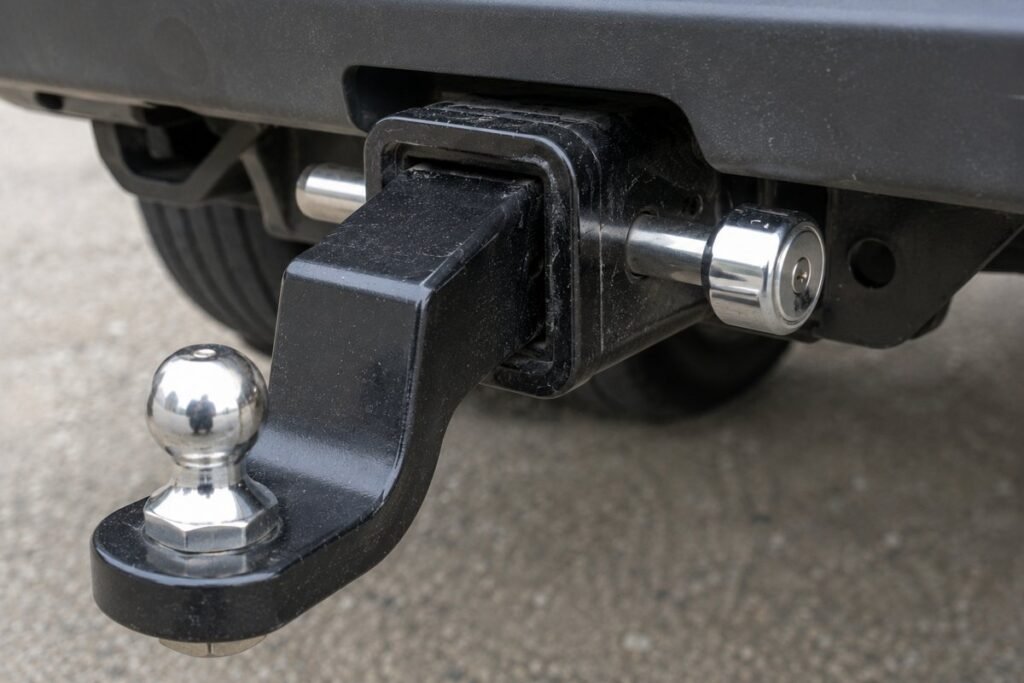
Hitch Locks
Stop someone hooking up and driving off.
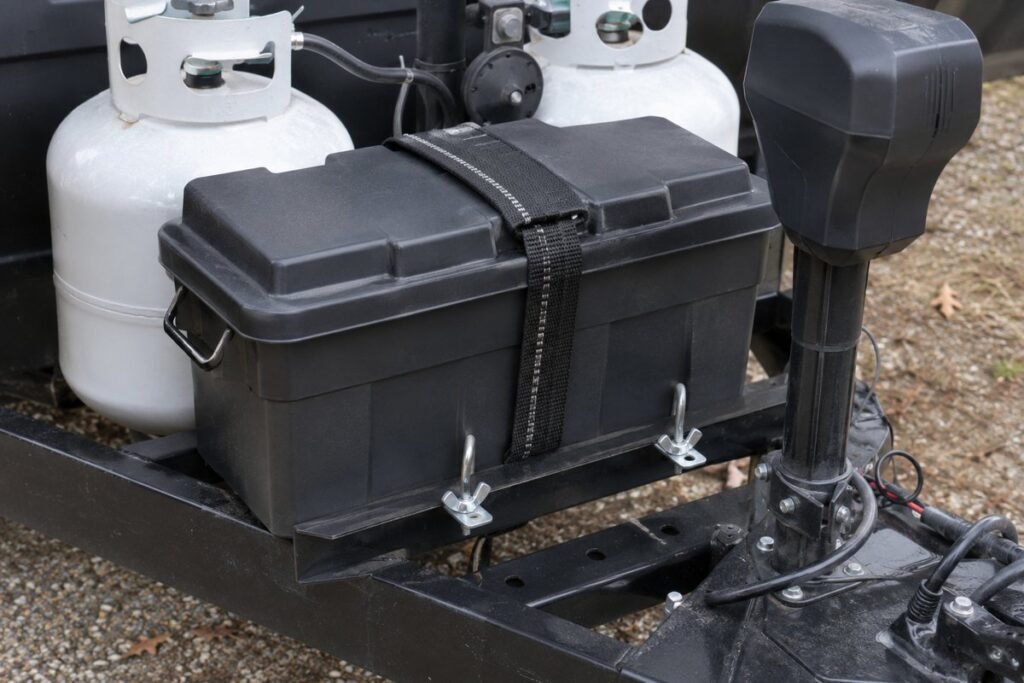
Battery Locks
Lock the battery without blocking its venting.
Trackers and Cameras
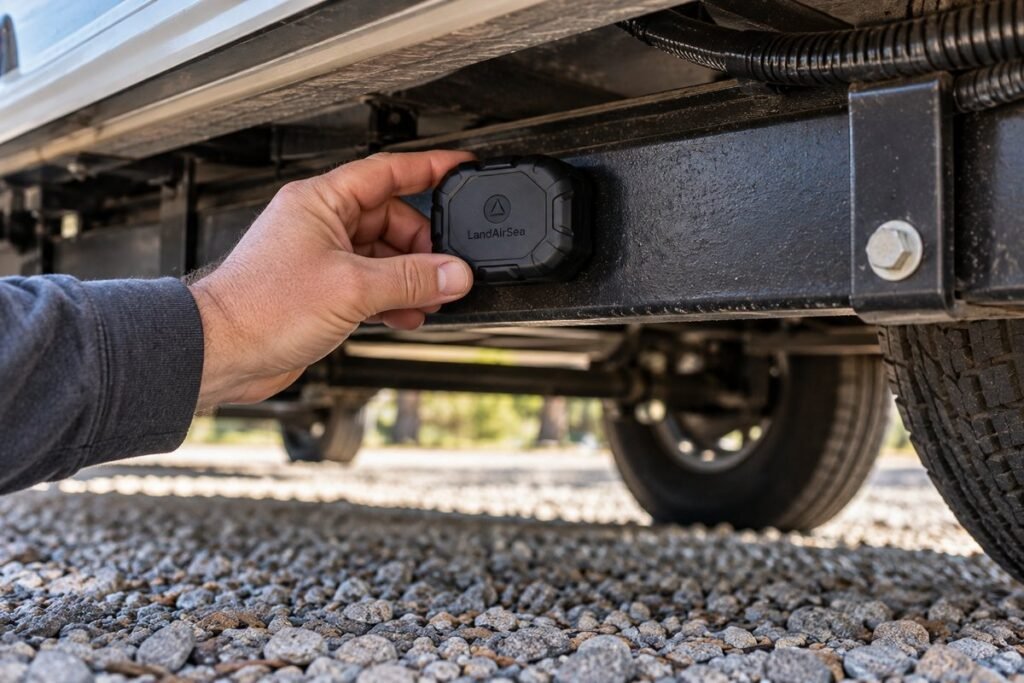
GPS Trackers
Know where your trailer is and get movement alerts.
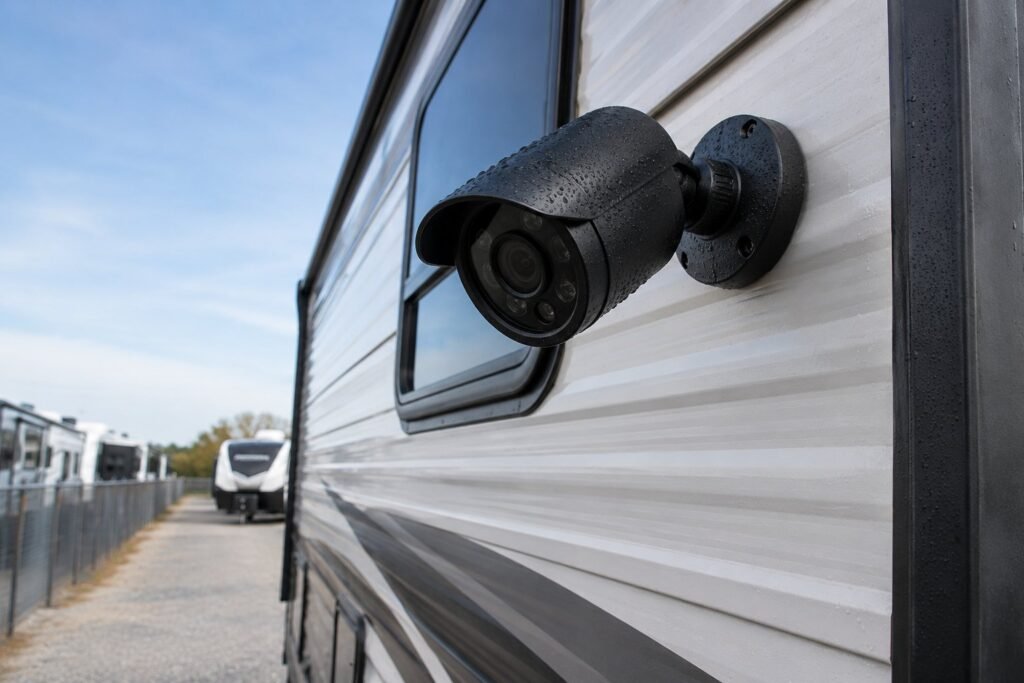
Security Cameras
Watch your trailer from anywhere.
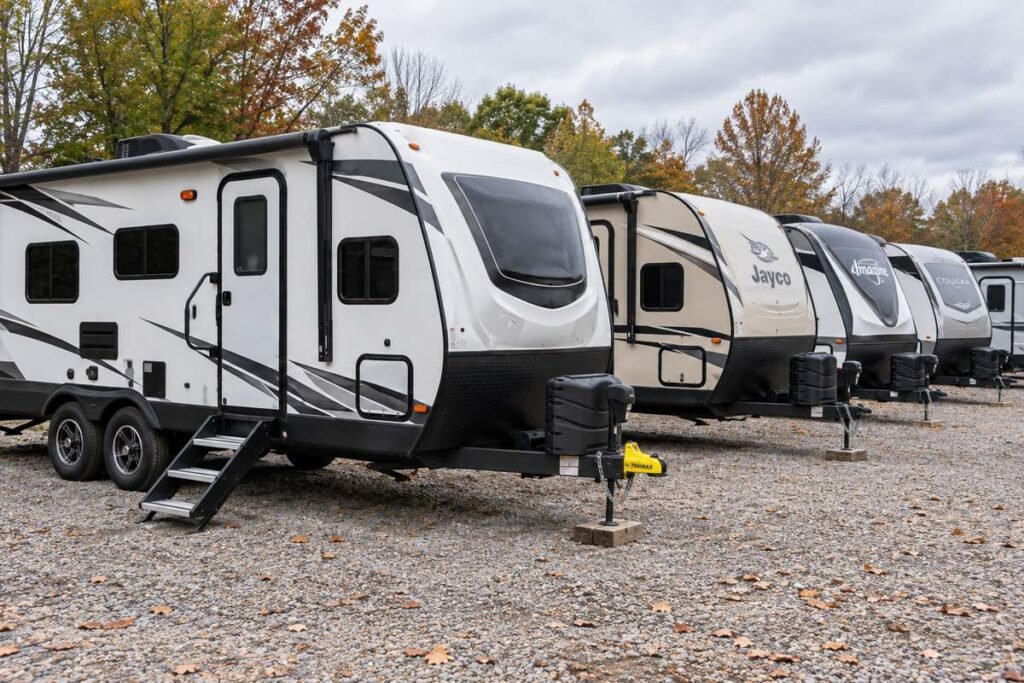
RV Statistics
Theft and ownership numbers that trace back to a source.
Sensors and Early Warnings
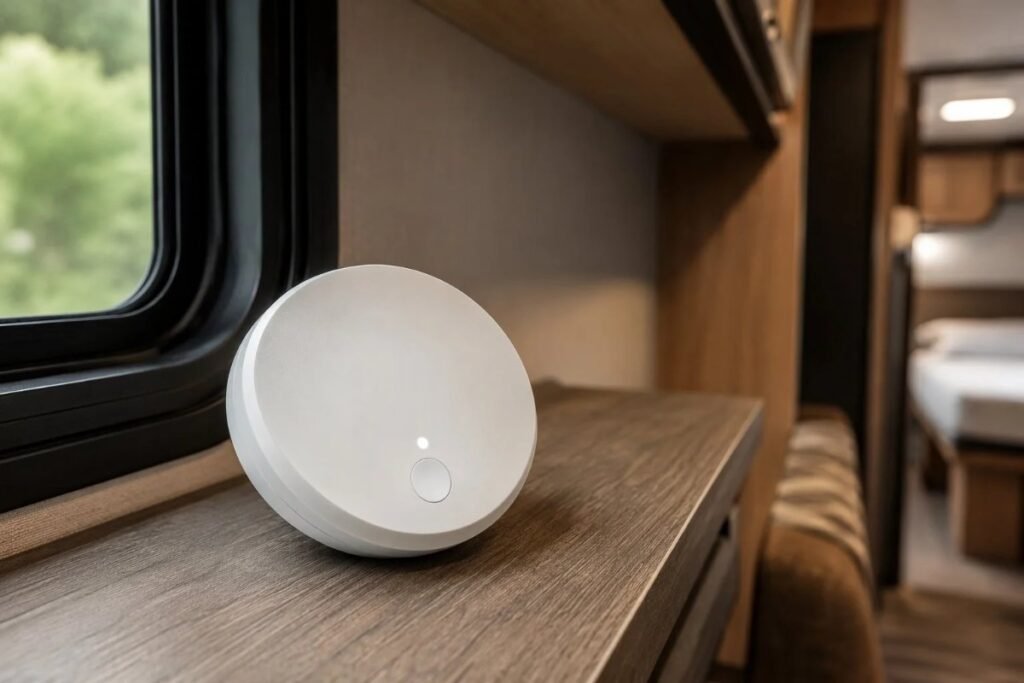
Temperature Sensors
Get alerts if it gets too hot or too cold.
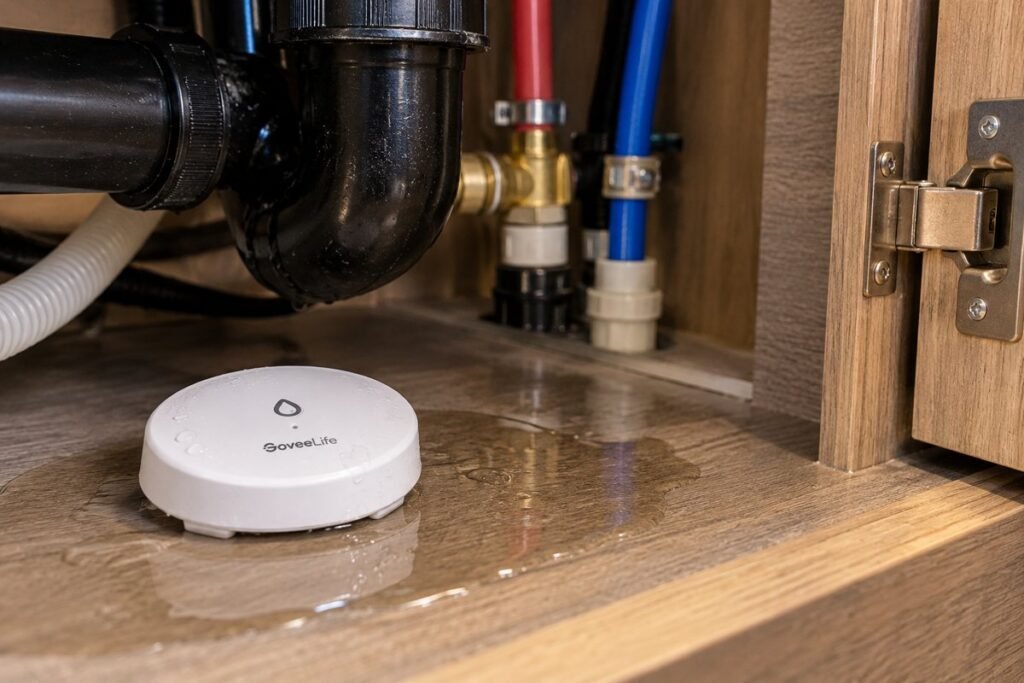
Water Leak Detectors
Catch leaks before they cause damage.
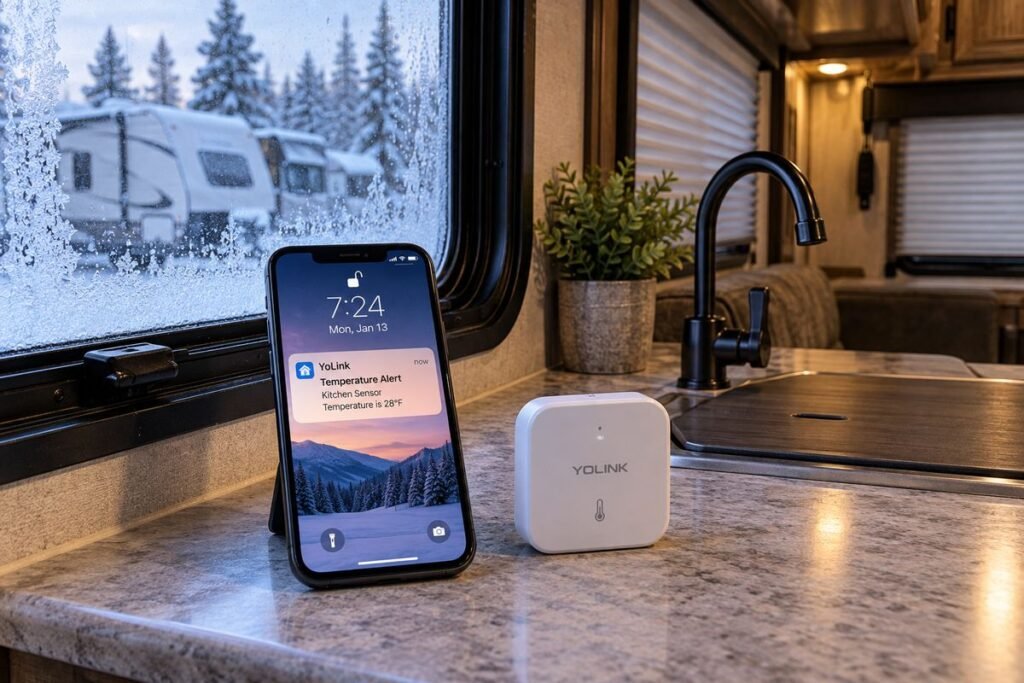
Freeze Alarms
Know if temperatures drop toward freezing.
Build Your Layered Security Setup
Each layer covers a gap the others leave. Start with the basics and add what fits your trailer.
- 1. Lock itUse wheel, coupler, hitch and door locks.
- 2. Track itAdd a GPS tracker for movement alerts.
- 3. Monitor itUse sensors to catch temperature and water issues.
- 4. Maintain itKeep it dry and the batteries charged.
How RV Security Fits Together
Locks, trackers and sensors each cover a different risk. This guide explains which layer to add first and how they work together while the trailer sits.
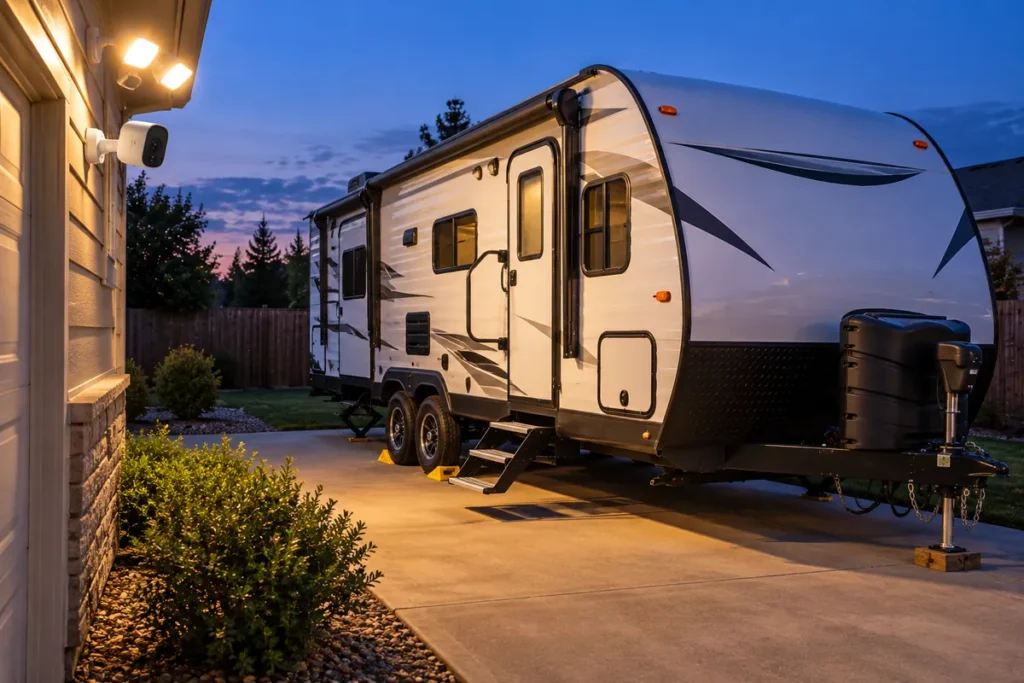
RV security is two separate problems. A trailer spends most of its life parked, and most of what goes wrong happens while nobody is looking. This section covers both halves: stopping somebody taking it, and finding out when something has gone wrong inside it.
Who this is for. Anybody who leaves a travel trailer in a storage lot, a driveway or a yard for weeks at a time. Read in the order below. Locks come first, because they're the only part of RV security that prevents anything rather than reporting it.
On this page
Start here
The RV storage and security guide explains what happens to a parked trailer and how the pieces fit together, from theft through damp and rodents. Start there before buying any single product.
Locking it
Every RV security decision starts with the coupler (the part on the front of the trailer that latches onto the hitch ball) and the wheels. That's because a trailer that can't be towed away is the main goal. Wheel and coupler locks covers what the ratings mean and why no US standard exists for any of them. The National Insurance Crime Bureau's theft prevention advice starts with simple habits, like parking in well-lit areas, and adds anti-theft devices, alarms and GPS tracking on top.
After that it's the specific points somebody works on. Hitch and receiver locks covers the difference between a hitch lock and a coupler lock, which is what matters. Trailer door locks covers the published key codes that make factory locks worth replacing. Battery locks covers the part taken most often and the cheapest to protect.
Knowing something happened
If a trailer does move, the question is whether anything tells you. GPS trackers covers what reports from a metal box in a lot with no power. Security cameras for unattended RVs covers the same problem for cameras, which mostly assume a house with wall power and home Wi-Fi. For the numbers behind trailer theft, including why no agency counts stolen trailers, see our RV statistics page.
Watching the inside
Theft isn't the only thing that ruins a stored trailer. Temperature sensors and water leak detectors cover what can be monitored, and both say plainly that a sensor in a lot with no network reaches nobody. Freeze alarms answers the narrower question of what an alarm is for once a trailer is properly winterized.
Then the seasonal jobs
Protecting a parked trailer from weather and pests is the other half of the same problem. It lives in storage and winterizing: keeping mice out, choosing a cover, controlling damp with no power, and keeping the battery alive.
A layered RV security setup for a stored trailer
No single lock or sensor covers a trailer on its own, so good RV security works in layers. Each layer covers a gap the one before it leaves open, and the order below runs from stopping a theft to finding out about one.
First, make the trailer hard to tow. A coupler lock and a wheel lock together mean a thief needs time, tools and noise, which is exactly what a storage lot doesn't give them. Second, lock the points people pick at: the door, the receiver and the battery. Factory trailer door locks often share key codes, so rekeying or replacing them is one of the cheaper upgrades on this page.
Third, add something that reports. A GPS tracker tells you if the trailer moves, and a camera tells you who was near it, though both depend on having a signal and a power source where the trailer sits. Last, watch the inside for the slow problems: temperature, water and mice.