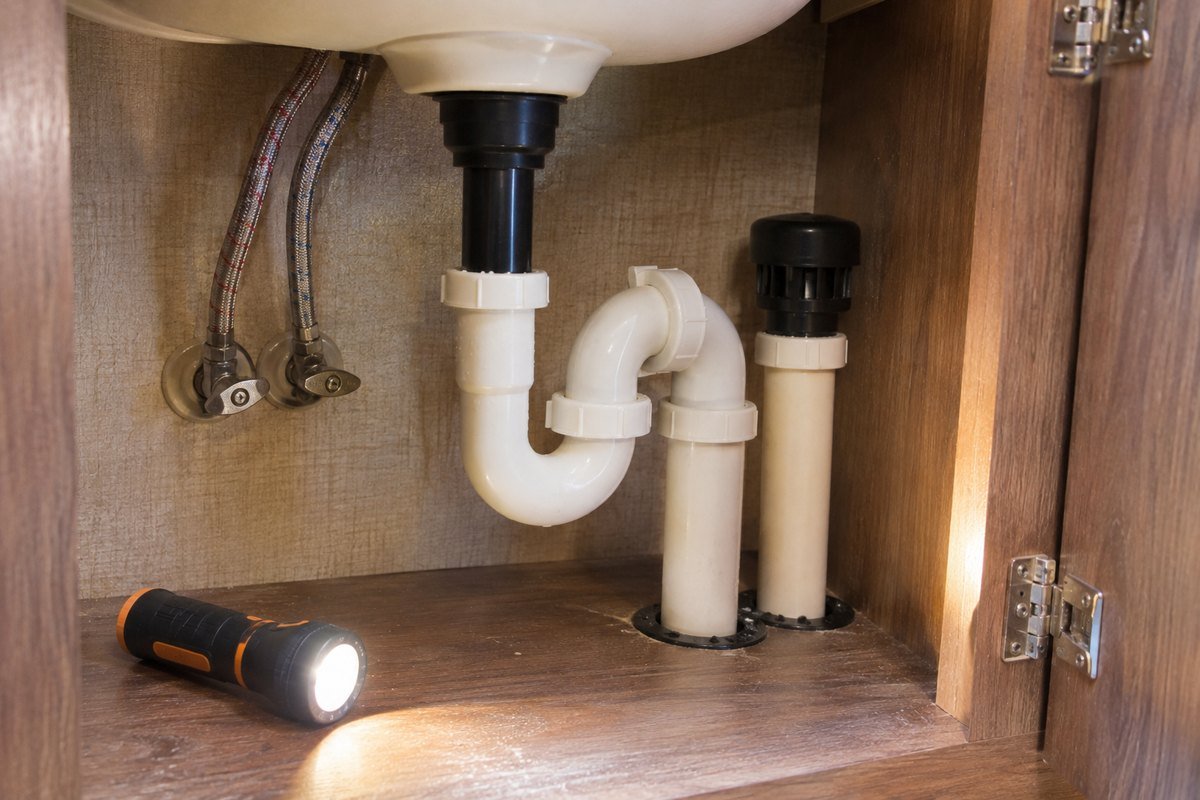
Quick answer: The best RV black tank treatment for most people is a bacteria and enzyme product that is free of formaldehyde, such as Unique RV Digest-It Ultra. It breaks waste down instead of only covering the smell, and the maker says it is septic safe. Add the dose with a few gallons of water, keep the valve closed until the tank is about two thirds full, and use RV toilet paper. If you camp in California, skip any product with formaldehyde or bronopol, because state law bans them in RV holding tanks.
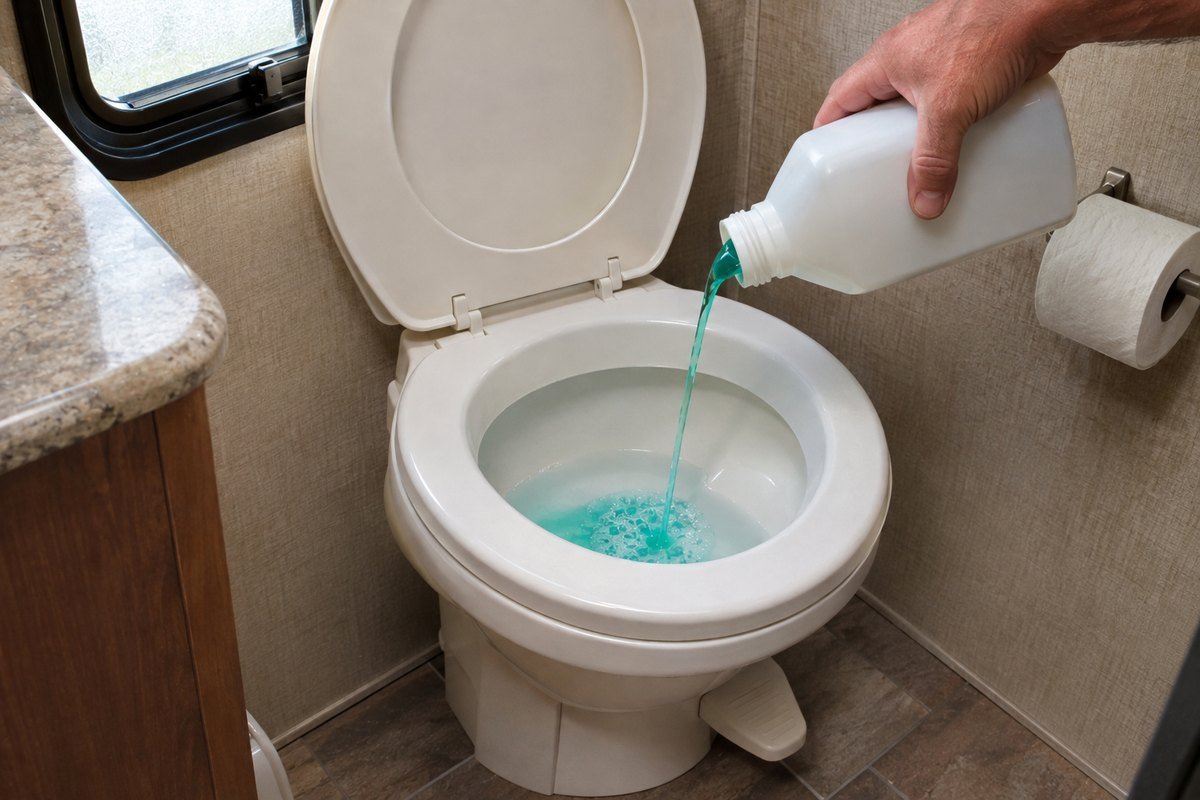
Table of Contents
An RV black tank treatment is a liquid, powder, or drop-in pod you add through the toilet to break down waste and control odor in the holding tank. This guide explains the main types, what to avoid, and five products worth a look. We have not tested these products ourselves. The details come from the makers, their Amazon listings, and state and federal guidance.
Types of RV black tank treatment
Every RV black tank treatment works in one of a few ways. The type matters more than the brand, because it decides where you can dump and how well the product handles solids.
Swipe to see more →
| Type | How it works | Best for |
|---|---|---|
| Bacteria and enzymes | Live bacteria multiply in the tank, and enzymes help them break down waste and paper. | Most campers, septic systems, warm weather |
| Enzymes only | Enzymes break down waste but do not multiply. Leftover chemicals and cold weather stop them. | Campers who dump often in mild weather |
| Formaldehyde-based | Formaldehyde reacts with odor compounds to mask them. It does not break waste down, and it can harm septic bacteria. | Avoid. Banned in California RV tanks |
| Other chemical deodorizers | Some use nitrates or preservatives such as bronopol. Formulas vary, so read the label. | Check the label, especially in California |
| Mineral-based | Minerals control odor without relying on bacteria or enzymes. | Campers who want a simple scoop dose |
Why formaldehyde is a problem
Septic systems need live bacteria to break down waste, and formaldehyde and similar chemicals can harm them. A Washington State Department of Health guide for RV parks says these products can harm the good bacteria in a septic tank and tells parks to post "No RV Chemical Dumping" signs.
California bans some tank chemicals
California is the one state we found with a specific law. Under Health and Safety Code section 25210.2, which took effect January 1, 2022, holding tank products that contain formaldehyde, paraformaldehyde, glutaraldehyde, bronopol, and 10 other listed chemicals cannot be sold in the state. The law also bans using them in an RV holding tank or in a campground chemical toilet that drains to a septic system. The law says enforcement depends on the Legislature providing funding, but the safest choice is to follow it either way.
Outside California, many campgrounds post their own rules. The Washington State Department of Health guide asks RV parks not to sell formaldehyde products at all. If a label lists formaldehyde or bronopol, or does not list its ingredients, choose a different product for trips to parks on septic systems.
5 RV black tank treatments worth a look
All five were in stock on Amazon on 4 Nov 2026 and sold by the maker or by Amazon.
Digest-It Ultra uses live bacteria and enzymes to break down waste and toilet paper, so it works on the cause of the smell instead of covering it. Unique says the formula contains no formaldehyde or bronopol and is septic safe, which makes it a good fit for campgrounds on septic systems and for trips to California.
The bottle holds 32 one-ounce treatments. Like other bacteria products, it works best in warm weather and in a tank that has not just held a harsh chemical treatment.
Good
- Breaks waste down instead of masking odor
- Maker says no formaldehyde or bronopol
- Septic safe per maker
Bad
- Slows down in cold weather, like other bacteria and enzyme products
- Leftover chemical treatments in the tank can slow it down
AquaMAX is Thetford's enzyme treatment. The Amazon listing calls it septic system safe and campground and marina friendly, and Thetford lists AquaMAX among its formaldehyde-free and bronopol-free treatments.
This listing is the Spring Showers scent, sold as six 8 ounce bottles (48 ounces total), and Thetford says 8 ounces treats a 40 gallon tank. Thetford is the company behind many RV toilets, so the product is easy to find in RV stores as well.
Good
- Formaldehyde-free and bronopol-free per Thetford
- Septic safe per the listing
- From a major RV toilet maker
Bad
- Enzymes slow down in cold weather
- Leftover chemical treatments in the tank can stop the enzymes
If you would rather not measure anything, TST MAX comes as pre-measured pods. Camco says one drop-in treats a tank of up to 40 gallons and controls odor for up to 7 days. The listing says it breaks down waste and toilet paper and is safe for septic systems.
The listing does not say whether the formula is free of formaldehyde or bronopol. If you camp in California, check the package label before you buy.
Good
- No measuring
- Up to 7 days of odor control per pod, per Camco
- Septic safe per the listing
Bad
- Ingredients not listed on Amazon
- One pod per dose, so a large tank may need more
Accelerator is a powder that boosts the bacteria already in the tank. The listing says it clears sludge and buildup from the tank and helps keep the level sensors reading correctly.
The maker suggests one scoop every 2 or 3 days while traveling. The powder comes with a measuring scoop.
Good
- Made for sludge and sensor buildup
- Powder stores well between trips
Bad
- More frequent dosing than most liquids
- Claims come from the maker, with no outside testing we could find
These pre-measured pouches are labeled CA compliant, which makes them an easy choice if you camp in California. Valterra calls the formula a waste digester and odor eliminator, and the listing says it is accepted at all campgrounds and helps septic tanks.
Use one pouch per 40 gallon tank, in the black tank or the gray tank. The bag holds 12 pouches, and the listing says the odor control works in both high and low temperatures.
Good
- Labeled CA compliant
- No measuring
- Works in black or gray tanks, per the listing
Bad
- Fewer pouches per bag than the Camco pick
- Ingredients not listed on Amazon
Quick comparison
Swipe to see more →
| Pick | Type | Form | Best For |
|---|---|---|---|
| Unique RV Digest-It Ultra | Bacteria and enzymes | Liquid | Best Overall |
| Thetford AquaMAX Holding Tank Treatment | Enzymes | Liquid | Best Enzyme Pick |
| Camco TST MAX Drop-INs | Odor control pod | Drop-in | Best Drop-In Pods |
| Dr. Pooper Accelerator | Bacteria booster | Powder | Best for Sludge and Sensors |
| Valterra Pure Power Blue Bio-Pouch Drop-Ins | Waste digester pouch | Drop-in | Best for California |
Black tank odor troubleshooter
A treatment cannot fix every smell. Pick what you notice below to see the most likely cause.
Black Tank Odor Troubleshooter
Choose the smell you notice. These are common causes, not a diagnosis.
Troubleshooter by RestfulRV. Based on guidance from Dometic, Thetford, and Good Sam.
How to use a black tank treatment
- Start with a rinsed tank. If you are switching from a chemical product to an enzyme or bacteria product, empty and rinse the tank first. Thetford warns that leftover chemicals will kill enzymes.
- Add water with the dose. Pour the treatment into the toilet and flush it down with a few gallons of water so the bottom of the tank is covered.
- Follow the label for the dose. Most doses are written for a 40-gallon tank. For example, Thetford says 8 ounces of AquaMAX treats a 40-gallon tank, and Camco says one TST MAX drop-in treats a tank of up to 40 gallons.
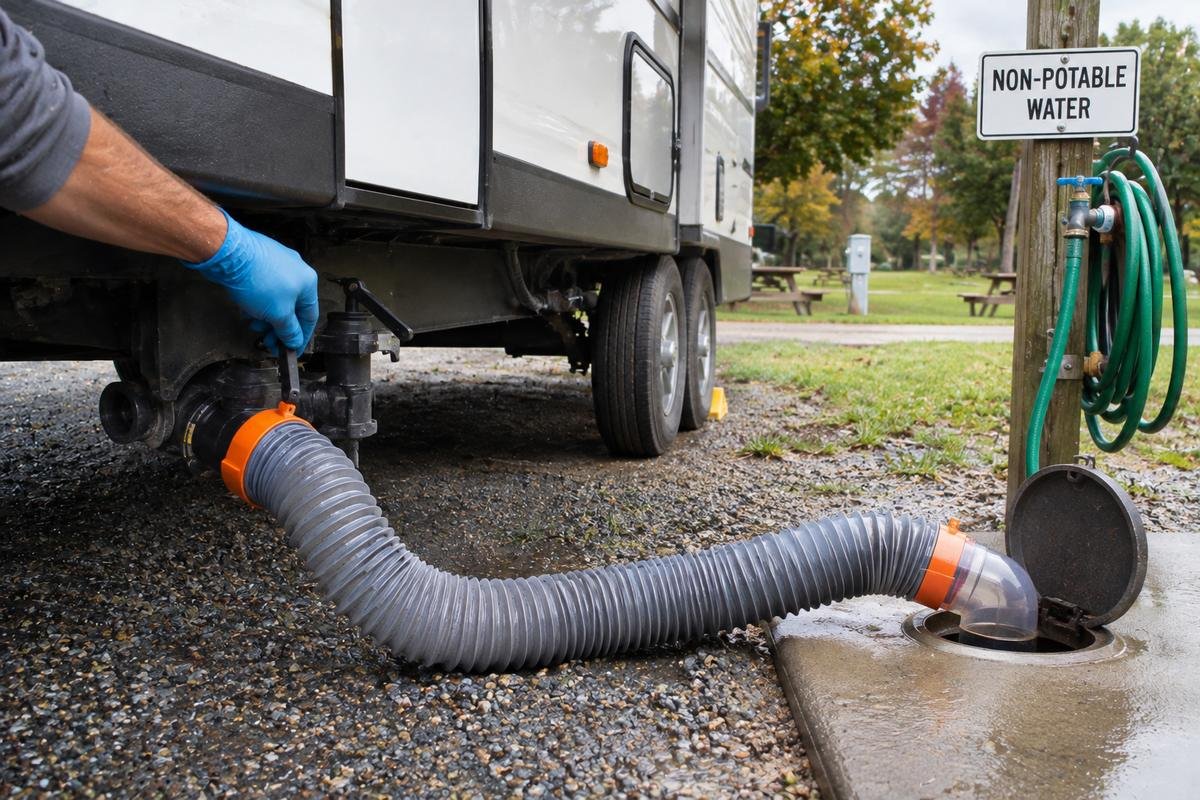
- Keep the valve closed. Leave the black tank valve shut until you dump. Happy Campers suggests dumping at about two-thirds full, then dumping the gray tank after the black tank to rinse the hose.
- Use RV toilet paper and plenty of water. Dometic's toilet manual tells owners to use tissue made for low-water toilet systems, and warns that household tissue can cause clogs. See our guide to the best RV toilet paper.
- Treat again after each dump. Add a fresh dose every time you empty the tank.
What not to put in a black tank
- Bleach. Dometic says bleach and similar products damage toilet and dump-valve seals. Thetford gives the same warning about bleach and acids.
- Dish soap. Some home-brew tank cleaning methods put dish soap or detergent in the black tank. No toilet maker we found recommends this, and Kleen Tank, which sells its own tank cleaner, says to avoid detergent like Dawn in black tanks.
- Car antifreeze. If you need antifreeze for freezing weather, use RV antifreeze made with propylene glycol only. Dometic warns against automotive ethylene glycol. Our guide on how to winterize an RV covers the full process.
- Household toilet paper. Dometic warns that household tissue can clog low-water toilet systems.
Cold weather tips
Enzyme and bacteria products slow down in the cold. Thetford says that in cold weather, enzymes slow to the point that they stop working. In freezing temperatures, Thetford also suggests adding RV antifreeze to each tank. Keep the tank from freezing so the valve still opens when you need to dump.
Frequently asked questions
What is the best RV black tank treatment?
For most campers, a formaldehyde-free product with bacteria and enzymes, such as Unique RV Digest-It Ultra, is the best choice. It breaks waste down instead of only masking odor, and the maker says it is septic-safe.
How often should you treat your RV black tank?
Add a fresh dose each time you empty the tank, following the label for your tank size. Most doses are written for a 40-gallon tank. Some powders, like Dr. Pooper Accelerator, are dosed every 2 or 3 days while traveling.
Can I put bleach in my RV black tank?
No. Dometic warns that bleach can damage the seals in RV toilets and dump valves, and Thetford warns that bleach can damage toilet seals.
Are formaldehyde tank treatments illegal?
In California, yes. State law bans selling holding tank products that contain formaldehyde, bronopol, and other listed chemicals, and bans using them in an RV holding tank. Many campgrounds in other states also ask campers not to use them because they can harm the bacteria septic systems need.
Do black tank treatments work in cold weather?
Enzyme and bacteria products slow down in the cold. Thetford says enzymes can slow to the point that they stop working. In freezing weather, Thetford suggests adding RV antifreeze to the tanks.
Where to go next
The best RV black tank treatment breaks waste down without hurting the septic systems where you dump. Start with a formaldehyde-free bacteria and enzyme product, use enough water, and check the vent and P-traps before blaming the treatment for a smell. For the rest of the system, see our guides to the RV toilet and the best RV sewer hose.